
Quick answer
Yes, Durango is worth visiting if La Plata Canyon's combination of free access, high-elevation aspen groves, and minimal crowds aligns with your trip goals. The canyon remains open year-round at no cost, with the best conditions appearing between late June and early October when wildflowers bloom and aspen leaves turn gold. Afternoon thunderstorms and limited parking during peak fall weekends represent the main logistical constraints.
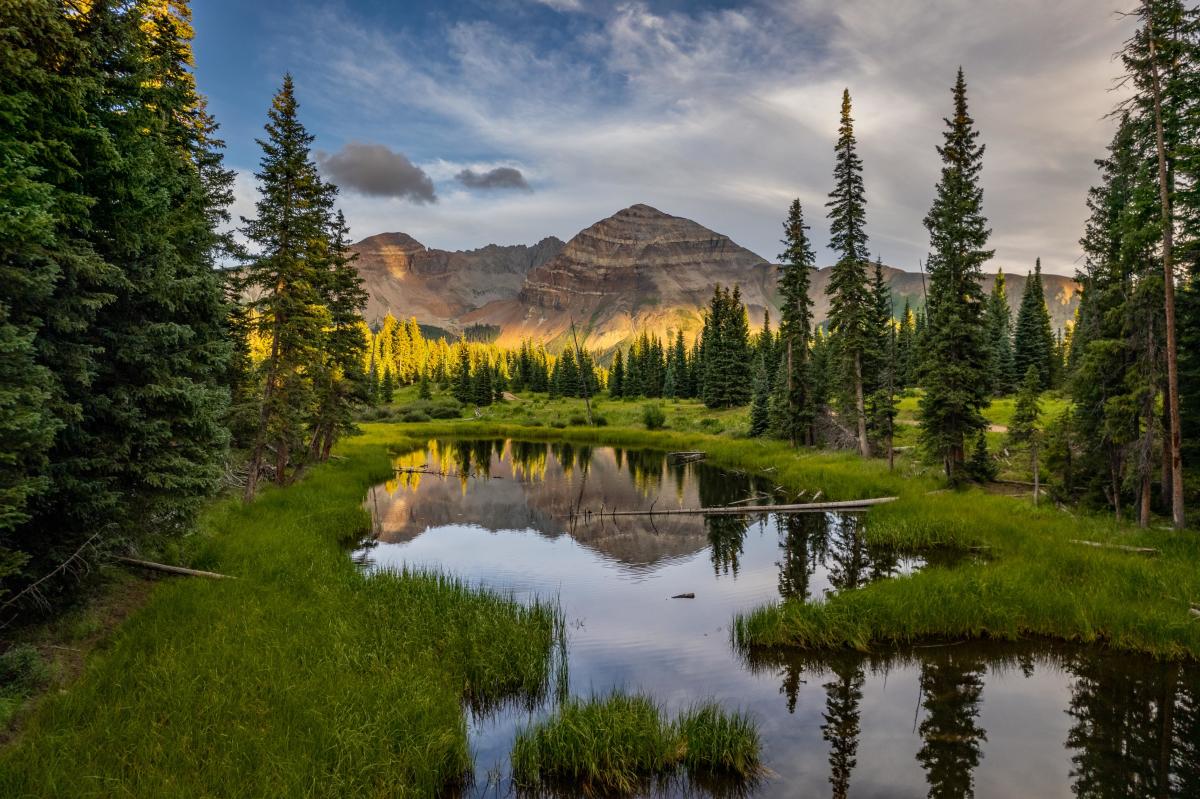
La Plata Canyon holds 15 miles of County Road 124, climbing from 7,800 feet at the trailhead to over 11,000 feet near the basin's upper benches. The San Juan National Forest maintains the corridor, which threads past Kennebec Pass, Tomahawk Basin, and the remains of the May Day Mine—a 1930s silver operation whose foundation walls and cable anchors still mark the canyon's mid-section. The terrain favors visitors who arrive early. Summer and fall bring the heaviest foot traffic, and the single-track parking pullouts fill by mid-morning on weekends. Afternoon thunderstorms build over the La Plata Mountains between 1 p.m. and 4 p.m. from July through September, shortening the safe window for ridge exposure. Those who start before 8 a.m. typically secure parking and complete higher-elevation walks before weather moves in. Aspen groves dominate the canyon's mid-elevation slopes, with peak color appearing in late September through early October depending on overnight temperatures. Wildflowers—columbine, paintbrush, lupine—cover the meadows from late June through mid-August. The canyon's appeal rests on scale and accessibility rather than rare features: no permit system, no entrance station, and roads that remain passable for high-clearance vehicles through early winter. Visitors who value solitude over amenities find the canyon's lack of facilities advantageous. No restrooms, water sources, or cell service exist beyond the trailhead, and the nearest fuel and food services sit 12 miles east in Hesperus. The trade-off—unregulated access to alpine basins that require two hours of driving from Denver—answers the question for those who measure a destination's worth in elevation gain and autumn light rather than convenience.
“The canyon's appeal rests on scale and accessibility rather than rare features: no permit system, no entrance station, and roads that remain passable for high-clearance vehicles through early winter.”
When Is the Best Time to Visit La Plata Canyon in Durango?
The period from July through September offers the most reliable access to La Plata Canyon's higher elevations, provided you plan your trip for early in the day. Visiting during the morning hours helps you avoid the frequent afternoon thunderstorms common in the San Juan Mountains and secures parking during the busiest months.
Late June to September
Moderate to highHigh temperatures 65°F to 75°F
This window provides snow-free access to high-altitude trails. Afternoon storm risk is significant during these months.
October
LowCool temperatures 40°F to 55°F
Aspen trees change color, creating clear but cold conditions. Vehicle access may become restricted if early snow arrives.
Weekday mornings
Minimal—
Arriving between 07:00–12:00 allows for quieter trail use and avoids the risk of afternoon weather shifts. This window is ideal for those seeking to avoid peak weekend congestion.
Verdict: The best time to visit is July through September, arriving between 07:00 and 12:00 to avoid afternoon thunderstorms.
How to Get to La Plata Canyon: Is Durango Worth Visiting for the Drive?
La Plata Canyon is located west of Durango, accessible via a well-maintained road that eventually transitions into a rugged mountain pass. Visitors primarily access the canyon by driving toward the town of Hesperus.
US-160 West to County Road 124
County Road 124 to La Plata Canyon entrance
Is La Plata Canyon Free to Enter?
La Plata Canyon is a public area managed by the U.S. Forest Service. Accessing the canyon requires no entrance fee.
A typical adult pays 0 USD for entry, though visitors choosing guided jeep tours will incur separate service costs.
What Are the Opening Hours for La Plata Canyon?
La Plata Canyon is accessible year-round, 24 hours a day. While the road remains open at all times, planning your visit during daylight hours is recommended for visibility and navigation.
| Monday | 00:00–23:59 | |
|---|---|---|
| Tuesday | 00:00–23:59 | |
| Wednesday | 00:00–23:59 | |
| Thursday | 00:00–23:59 | |
| Friday | 00:00–23:59 | |
| Saturday | 00:00–23:59 | |
| Sunday | 00:00–23:59 |
Key Natural Highlights and Is La Plata Canyon Worth Visiting?
La Plata Canyon provides direct access to high-alpine terrain and remnants of the region's mining history. Visitors frequently travel this route to observe geological features and seasonal wildflower displays.
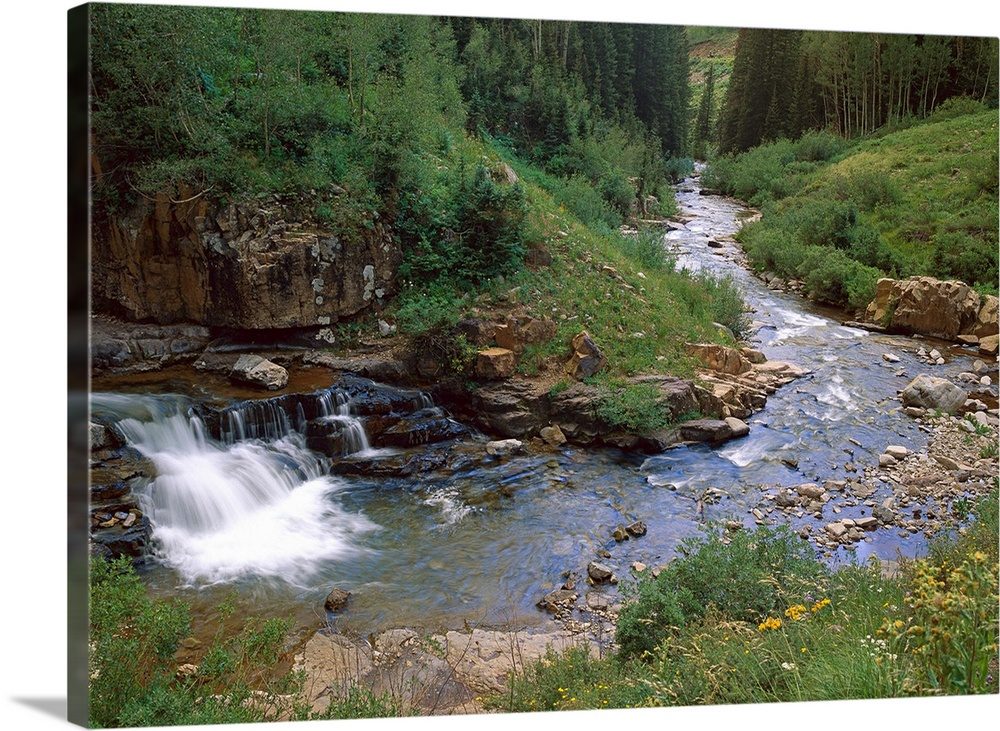
La Plata River
The river runs through the canyon floor, serving as the primary water source and a focal point for riparian vegetation.
Stop at pullouts to observe water flow and canyon erosion.
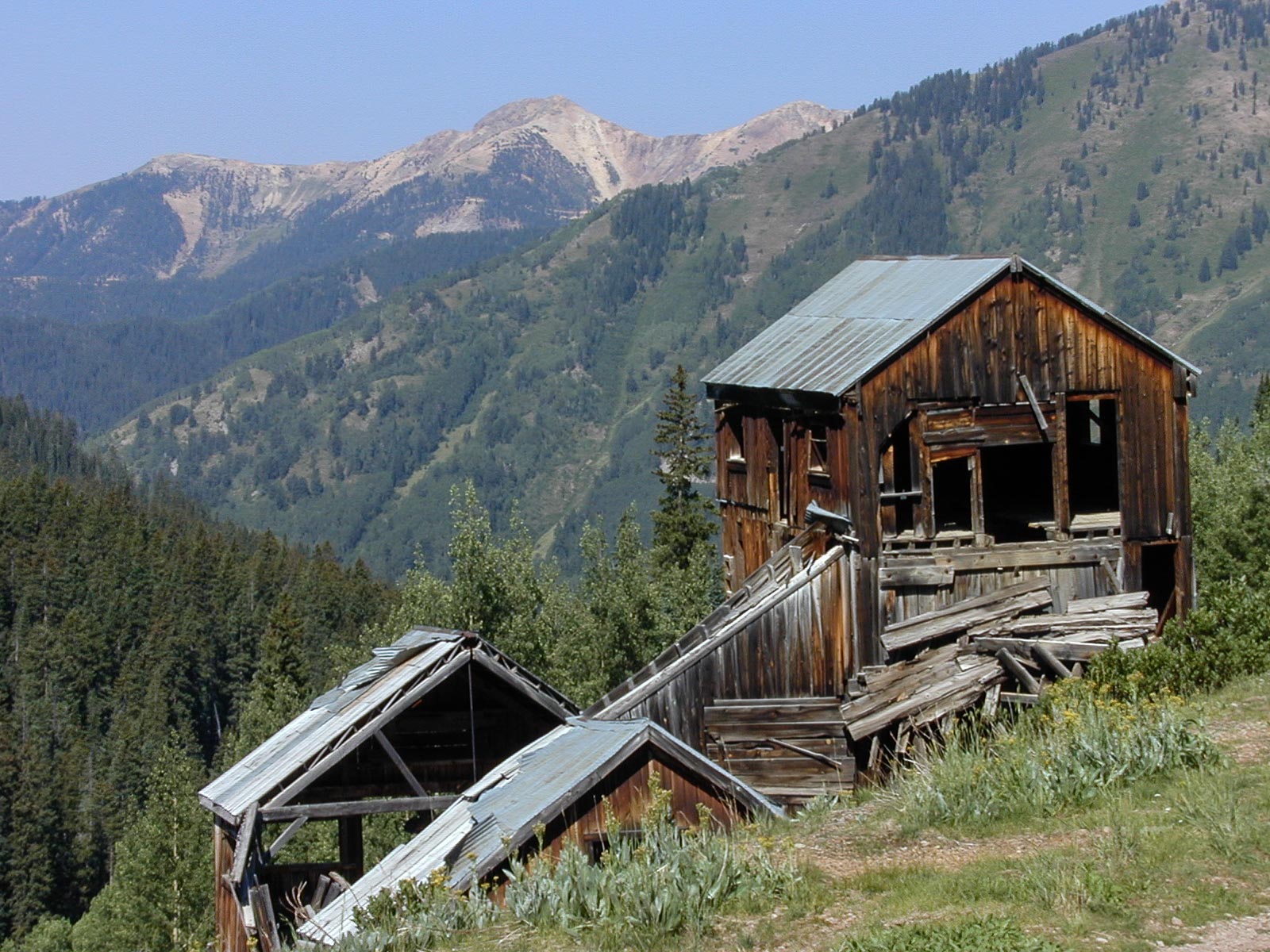
Mining Remnants
Historical structures and scattered debris from early 20th-century mining operations remain visible along the canyon walls.
Look for rusted machinery near the lower trail sections.
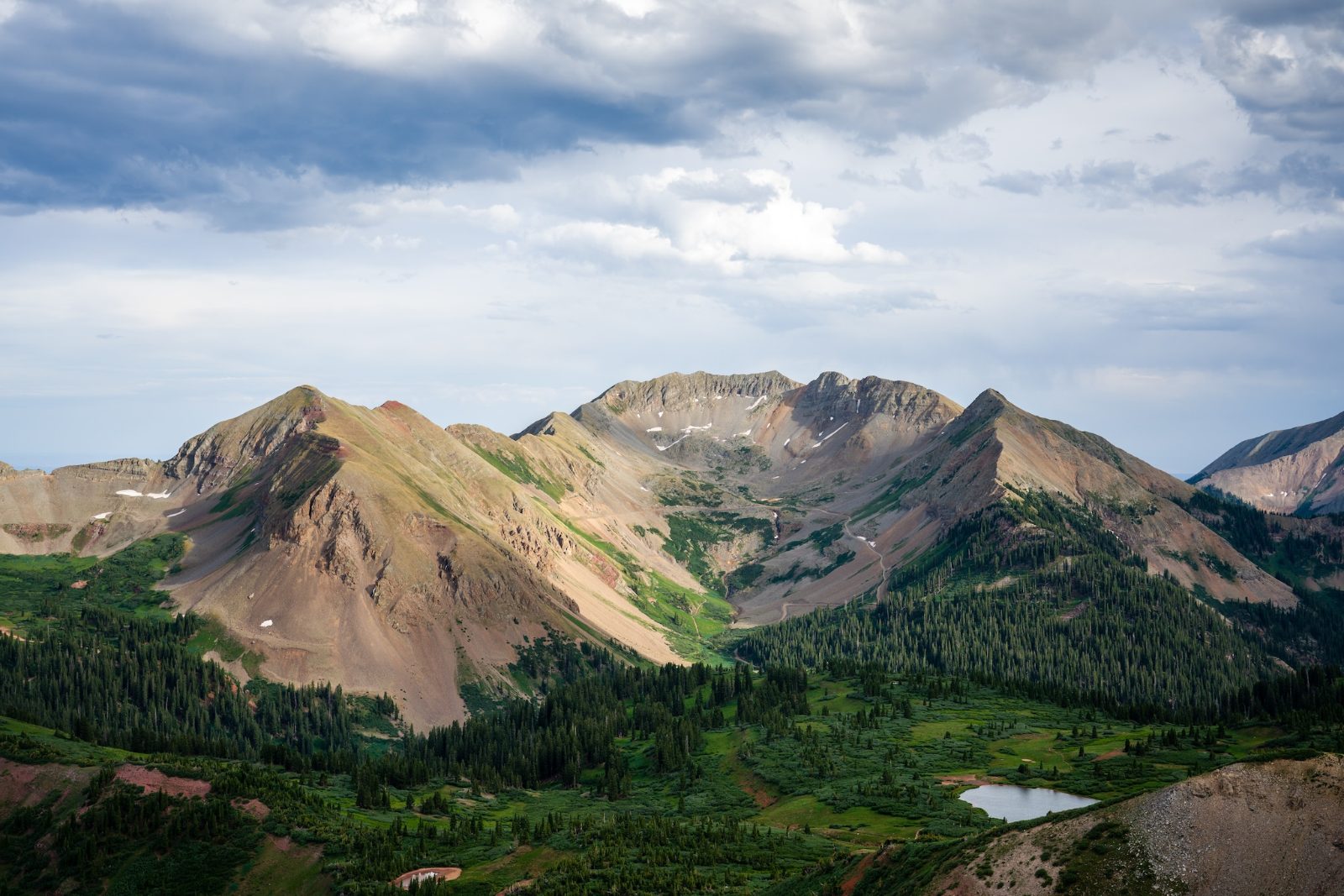
Kennebec Pass
This high-altitude pass offers panoramic views of the La Plata Mountains and serves as the turnaround point for many travelers.
Bring binoculars to identify peaks from the upper ridge.
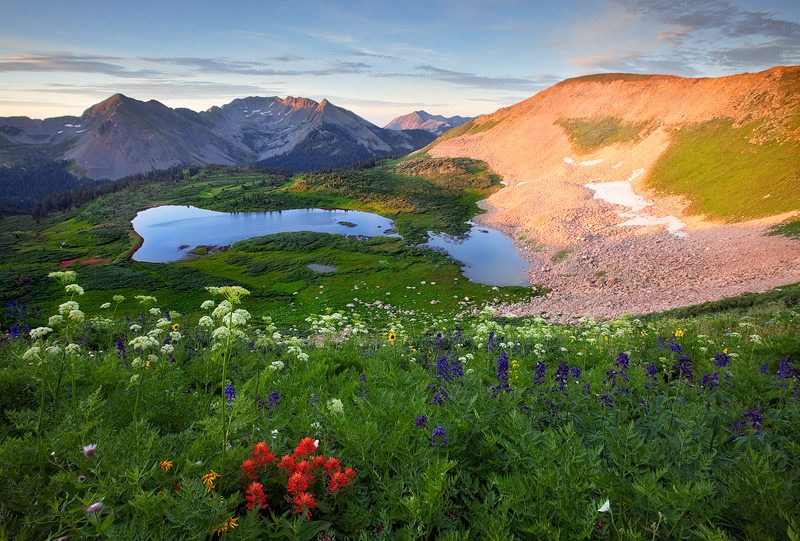
Alpine Meadow Flora
During summer months, the upper reaches of the canyon support diverse wildflowers and subalpine plant species.
Walk slowly through open areas to view delicate blooms.
Preparation Checklist: Is Durango Worth Visiting for Backcountry Explorers?
La Plata Canyon sits at 9,000+ feet on rugged forest roads, so preparation centers on vehicle capability and high-altitude safety.
-
Check 4WD clearance and tire condition — The canyon road includes rocky sections and stream crossings that require ground clearance.
-
Pack extra water and snacks — High altitude accelerates dehydration and you'll be far from services.
-
Download offline maps before departure — Cell coverage is sparse throughout the San Juan National Forest.
-
Bring layers and rain gear — Afternoon thunderstorms develop quickly above 8,000 feet, especially July through September.
-
Fuel up in Durango — No gas stations exist along County Road 124 or within the canyon.
-
Carry a first-aid kit and flashlight — Remote location means self-sufficiency matters if weather or vehicle issues arise.
Check availability
Common questions about is durango worth visiting
Everything you need to know about is durango worth visiting